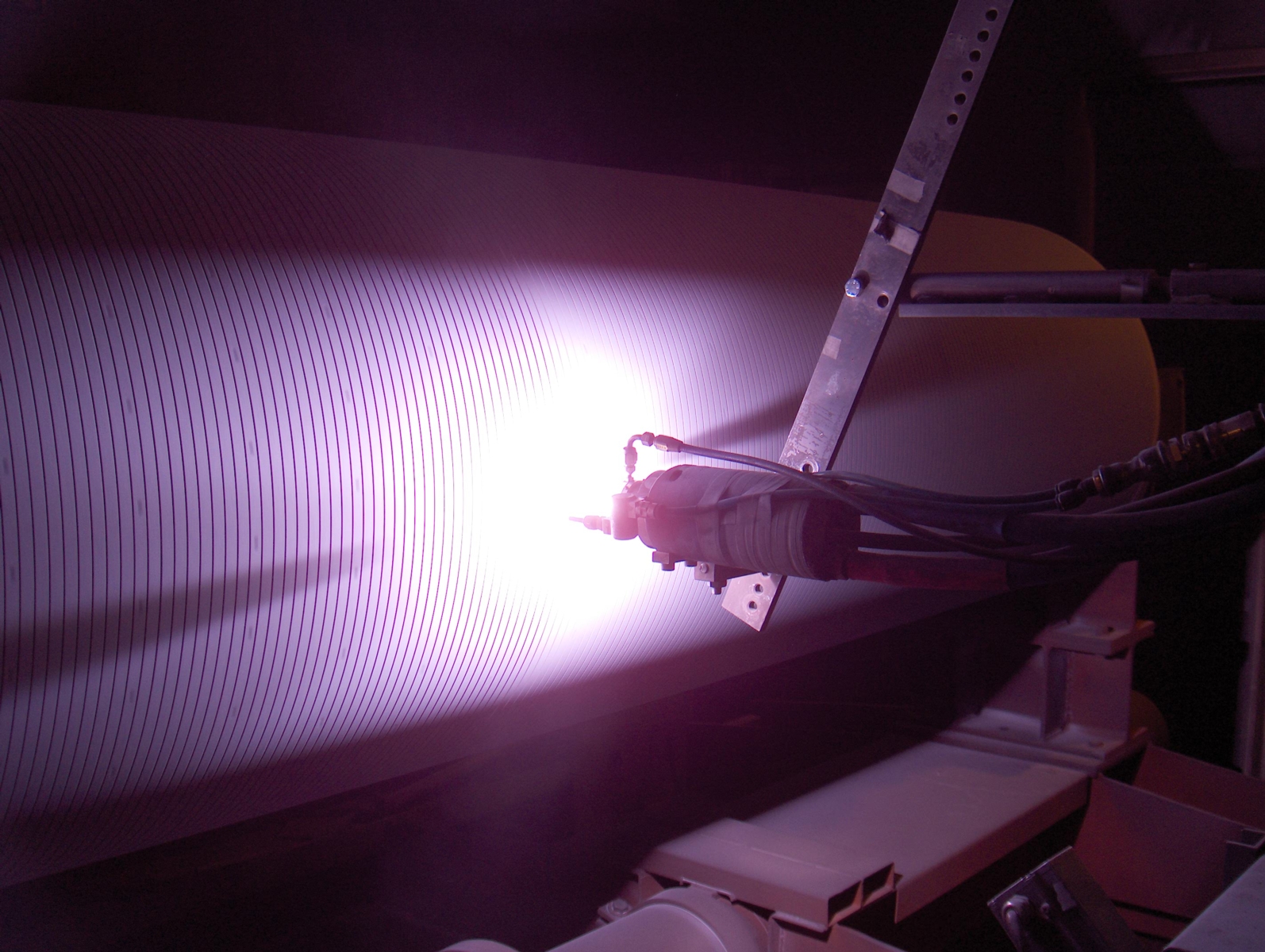
Wear protection: Coatings for greater cost-effectiveness and durability

Components in machines, systems, or vehicles are continuously exposed to mechanical stress during operation. Friction, contact pressure, or abrasive media lead to material loss and functional limitations in the long term. A specifically selected wear protection coating counteracts these processes: It reduces surface wear, stabilizes friction coefficients, and thus increases the service life of critical components.
For companies, this means a significant increase in cost-effectiveness. Longer service lives reduce maintenance and downtime costs, while the consistent quality and dimensional accuracy of the coated parts improve process reliability. Wear protection is therefore not an additional benefit, but a strategic measure to increase efficiency in industrial applications.
Benefits & cost-effectiveness
Wear protection is first and foremost an economic investment. Every reduction in material loss has a direct impact on operations and the cost structure. Companies benefit from the following effects:
- Longer service life: Components need to be replaced or reworked less often.
- Lower maintenance and downtime: Systems run more reliably, and unplanned downtime is reduced.
- Higher energy efficiency: Low-friction surfaces reduce energy consumption, especially in moving assemblies.
- Consistent product quality: Dimensional accuracy and surface quality are maintained over longer periods of use.
In mechanical engineering and vehicle construction, these advantages are decisive for the total cost over the life cycle. In the food and chemical industries, too, effective wear protection can ensure process reliability and product purity – a key factor in complying with quality standards and regulatory requirements.
Understanding wear
To appreciate the benefits of a wear protection coating, it is helpful to understand the basic mechanisms of wear. Wear describes the progressive loss of material on a solid surface as a result of mechanical stress. The most common mechanisms are:
- Adhesive wear: Occurs when two surfaces slide under pressure and microscopic particles of material are transferred from one body to the other.
- Abrasive wear: Occurs when hard particles or rough surfaces act like sandpaper and remove material.
- Fatigue wear (surface disruption): Repeated stresses lead to cracks and material breakouts, for example in roller bearings.
- Tribochemical wear: Chemical reactions on the surface (e.g., oxidation) increase material degradation.
In practice, these mechanisms often occur in combination. The choice of a suitable coating therefore depends heavily on the type of load, the contact partners, and the environmental conditions (e.g., temperature, lubrication, media contact).
Coating systems at Buser Oberflächentechnik
The selection of the right wear protection coating depends on the specific requirements of the component, process, and environment. Buser Oberflächentechnik offers a wide range of processes and materials that are specifically designed for different wear mechanisms.
Ceramic wear protection (e.g., Al₂O₃/Cr₂O₃)
Ceramic coatings are characterized by high hardness, temperature resistance, and abrasion resistance. They are particularly suitable for components that are subject to high friction and particle loads. In addition, they provide electrical insulation and can therefore also be used in sensitive environments.
Wear protection with hard metals (e.g., WC-Co, HVOF)
Hard metal coatings applied by high-velocity oxygen fuel (HVOF) spraying form very dense and resistant surfaces. They provide effective protection against abrasive and erosive loads, for example in pump parts, valves, or tools.
PEEK/PEKK coatings
High-performance polymers such as PEEK or PEKK combine wear resistance with chemical resistance. They are lightweight, tribologically optimizable, and are used in particular where metallic or ceramic coatings reach their limits—for example, in contact with food or aggressive media.
Fluoropolymers (PTFE/PFA/FEP)
Fluoropolymer coatings reduce friction and prevent adhesion. They are temperature-resistant and offer advantages in applications where components are frequently cleaned or come into contact with sticky media.
Industries & applications
Wear protection coatings are an integral part of product and process safety in many industries. Depending on the field of application, the requirements for hardness, coefficient of friction, temperature or chemical resistance vary.
- Mechanical and plant engineering: Bearings, shafts, and valves benefit from reduced friction and longer service life.
- Vehicle technology: Coated components such as piston pins, injection nozzles, or valve trains must function reliably over millions of load cycles.
- Chemical industry: Pumps, seals, and agitators require high resistance to corrosive media and abrasion resistance.
- Food and packaging industry: Non-stick and wear-resistant coatings ensure consistent product quality and simplify cleaning.
- Medical technology: Instruments and components benefit from low-wear surfaces that must also meet hygiene standards.
The range shows that wear protection is not limited to individual industries, but is relevant as a cross-sectional technology in almost all industrial applications.
Qualification & testing
To ensure that a wear protection coating can be used reliably, its performance is systematically tested. International standards and procedures enable an objective assessment of its resilience:
- Adhesion test (VDI 3198 / ISO 26443): A Rockwell indenter is pressed into the coating to evaluate its adhesive strength. Cracking or spalling provides information about the quality of the coating bond.
- Pin-on-disk test (ASTM G99): A test specimen slides over the coated surface under a defined load. This allows friction coefficients and material loss to be measured.
- Abrasive wear test (ASTM G65): Quartz sand or corundum is used to determine the coating’s resistance to abrasive particles.
- Fatigue and corrosion tests: Long-term tests examine combined stresses such as cyclic loading and chemical attack.
These procedures allow coatings to be tailored to specific applications even before they go into series production. This provides customers with verifiable evidence of service life and functional reliability.
Design & consulting
Choosing the right wear protection coating is not a standard process, but requires a precise analysis of the operating conditions. Various factors play a role here:
- Type of load: sliding, rolling, impact, or particle stress determine the appropriate type of coating.
- Counterparts and pairing: The hardness and surface roughness of the contact partners influence friction coefficients and wear.
- Temperature and media resistance: Chemical environment, moisture, or high process temperatures require suitable material systems.
- Post-processing: Depending on the coating system, polishing, grinding, or blasting may be necessary to achieve the desired surface properties.
We support our customers in all project phases:
From the initial feasibility assessment to the selection of suitable samples and series coating. This minimizes cost risks and ensures a tailor-made solution for the respective application.